Handicraft refers to any activity that involves creating or producing objects by hand, often using traditional techniques and skills. Handicrafts can be made from a variety of materials, including wood, metal, clay, fabric, and paper.
Handicrafts are often characterized by their unique designs, intricate patterns, and attention to detail. They can range from small, decorative objects like jewelry and pottery to larger items like furniture and textiles.
Handicrafts are usually created by skilled artisans who have a deep understanding of the materials and techniques involved. Many handicrafts are produced using traditional methods that have been passed down through generations.
Handicrafts can have both functional and decorative purposes, and they are often appreciated for their aesthetic value as well as their cultural significance. They are an important part of many cultures and can provide a source of income and employment for artisans and small-scale entrepreneurs.
Handicrafts in Nepal (Nepali Handicrafts)
Handicraft in Nepal has a rich history and is an important part of the country’s cultural heritage. The country is home to a diverse range of handicrafts, including pottery, metalwork, textiles, woodwork, and jewelry, among others.
Nepal’s handicrafts are renowned for their unique designs, intricate patterns, and use of traditional techniques. The handicraft industry in Nepal is predominantly based on traditional methods, with artisans using techniques that have been passed down through generations.
One of the most famous handicrafts in Nepal is the Thangka painting, a form of Tibetan Buddhist art that involves painting on silk or cotton using mineral pigments. These paintings are highly detailed and often depict religious or spiritual themes.
Another popular handicraft in Nepal is the handmade paper, which is made using traditional methods from the bark of the Lokta plant. This paper is known for its durability and is used to create a range of products, including journals, notebooks, and greeting cards.
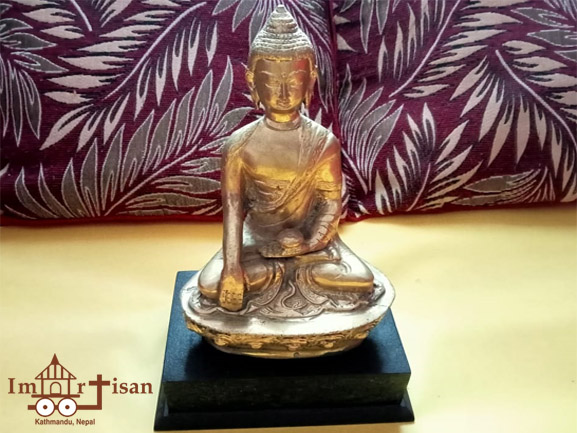
Wood carving is also a significant handicraft in Nepal, with artisans creating intricate designs and patterns on furniture, doors, and windows. Metalwork, including bronze and copper statues, is another important handicraft in Nepal.
The handicraft industry in Nepal provides employment opportunities for a significant number of people, particularly in rural areas. Many small-scale entrepreneurs and artisans depend on handicrafts as their primary source of income.
Overall, handicrafts in Nepal are an important part of the country’s culture and economy, and their unique designs and traditional techniques make them highly sought after in international markets. We are providing the perfect opportunities and platform for Nepali artisans to produce their artwork by providing the required raw materials, training the techniques and exporting the finished products worldwide.
Pros and Cons of Handicraft Business in Nepal
Handicraft business in Nepal has its own set of advantages and disadvantages. Here are some pros and cons of starting a handicraft business in Nepal:
Pros:
Cultural Richness: Nepal has a diverse cultural heritage, and handicrafts are an essential part of it. The country is famous for its handicrafts, including pottery, metalwork, textiles, glasses, woodwork, and jewelry. Starting a handicraft business in Nepal can help you tap into this rich cultural heritage and produce products that reflect the country’s unique identity.
Low Investment: Starting a handicraft business in Nepal can be relatively inexpensive. As handicrafts are often made by hand, the initial investment required for equipment and materials is generally low. This makes it a viable option for small-scale entrepreneurs and artisans.
Export Potential: Nepal’s handicrafts are highly sought after in international markets, particularly in the US and European countries. This presents an excellent opportunity for handicraft businesses to tap into the export market and expand their customer base.
Employment Opportunities: The handicraft industry is labor-intensive, which means that it can provide employment opportunities for a significant number of people. By starting a handicraft business, you can create jobs for artisans and contribute to the country’s economy.
Cons:
Limited Market: While there is potential for export markets, the domestic market for handicrafts in Nepal is relatively small. This means that handicraft businesses may struggle to find a large customer base within the country.
Limited Resources: Nepal is a small, landlocked country with limited resources. This can make it difficult to source the materials needed for handicraft production, which can increase the cost of production.
Lack of Infrastructure: Nepal’s infrastructure, including transportation and communication, can be unreliable and inadequate. This can make it challenging to transport and market handicraft products.
Competition: The handicraft industry in Nepal is highly competitive, with many small-scale entrepreneurs and artisans competing for customers. This can make it difficult for new businesses to establish themselves in the market.
Overall, starting a handicraft business in Nepal can be a rewarding venture, but it requires careful consideration of the pros and cons to ensure that you are making an informed decision. If you took time to read this, thank you very much. For any queries please message: marketing@imartisan.org. Please visit our official website: www.imartisan.org